

A Direct Word to the African Diaspora If you are African and living abroad, this moment concerns you, whether you feel ready for it or not. Africa’s future will not be decided only by those who never left. It will also be shaped by those who left, learned how the world works, and now carry that knowledge quietly. What you’ve gained abroad is not just skill. It’s pattern recognition. You’ve seen what functions, what fails, and what endures. You’ve watched systems protect quality, punish inefficiency, and reward long-term thinking. That understanding matters, but only if it is applied with intention. Africa does not need imported solutions. It needs adapted intelligence. The mistake many make is assuming progress means replication. It doesn’t. Copying foreign models without context creates systems that look impressive but collapse under local pressure. What Africa needs from you is not imitation, but judgment, the ability to take what you’ve learned, strip it down to its principles, and rebuild it in a form that actually fits. Your value is not in what you bring back. It’s in how you think differently now. You understand that institutions matter more than individuals. That process beats passion in the long run. That discipline compounds quietly while noise fades. Africa needs more of that thinking, not in theory, but in practice. But there is another responsibility that comes with this position: restraint. You must resist the urge to speak over the continent instead of with it. Original African innovation does not emerge from superiority; it emerges from deep listening. The most powerful ideas will come from the tension between lived African reality and global exposure. That tension, if handled well, produces solutions no other region can replicate. And when Africa creates something truly original, the world pays attention. Not out of charity. Out of respect. Engaging Africa seriously means moving beyond emotional attachment. It means thinking in decades, not headlines. It means building structures that work even when you are not present. It means collaborating with local private sectors, not bypassing them. It means working with governments without being naïve about them. This work is not glamorous. It is slow, often frustrating, and deeply necessary. Africa does not need you to come back and start from zero. It needs you to plug into what exists and raise the standard. If you are waiting for the perfect moment, it will not come. If you are waiting for Africa to be “ready,” understand this: Africa becomes ready by being worked on carefully, intelligently, collectively. The future Africa will not be built by nostalgia or anger or guilt. It will be built by Africans who understand the world well enough to stop copying it and understand Africa well enough to do something new. If you are one of them, then this is not a call to sentiment. It is a call to responsibility. And history will quietly remember who answered it. Previous Post

The Power of Public-private Partnerships
The Power of Public-private Partnerships Today, many private sector actors across Africa face obstacles that hinder growth and collaboration: Regulatory hurdles: Complex, inconsistent, or opaque policies make it difficult for businesses to operate efficiently. Limited infrastructure: Poor transport, energy, and digital infrastructure increase operational costs and slow down innovation. Lack of trust: Mistrust between private entities and governments slows collaborative projects and deters long-term investment. Fragmented collaboration: Many private initiatives operate in silos, while government programs are often uncoordinated, reducing impact. These challenges, while significant, are not insurmountable. With intentional partnership and strategic alignment, Africa can transform these hurdles into opportunities for growth. How Governments Can Partner With the Private Sector 1. Co-creating Policy and Regulation: Governments can involve private sector leaders in policy formulation, ensuring that regulations support growth rather than stifle it. Regular advisory councils or private-public forums can allow policies to be practical, forward-thinking, and growth oriented. 2. Infrastructure Partnerships: Large-scale infrastructure projects, roads, ports, energy, broadband networks, require collaboration. Governments can use models like Build-Operate-Transfer (BOT) and Public-Private Partnerships (PPPs), where private investment and expertise are paired with public oversight, accelerating development while sharing risks and rewards. 3. Innovation and Technology Hubs: Governments can provide land, grants, or tax incentives to support innovation hubs and tech clusters led by private enterprises. These hubs can serve as incubators for African solutions to African problems, while governments facilitate scalability and regulatory approval. 4. Shared Investment in Social Projects: Education, healthcare, and housing are critical for a productive workforce. Government-private partnerships in these sectors can ensure large-scale, sustainable impact. For example, private companies can fund skills development programs that are aligned with national development priorities. 5. Transparent Data and Decision-Making: Governments that make key economic data available and engage in transparent project planning reduce risks for private investors. Trust is a catalyst for investment, and data-driven decisions accelerate effective collaboration. 6. Joint Risk-Taking and Innovation Funds: Governments can establish innovation or investment funds that pool public and private resources to support high-impact projects. By sharing risk, both sectors can pursue ambitious ventures that may otherwise be considered too challenging or uncertain. 7. Pan-African Collaboration: Governments can act as facilitators for cross-border private sector partnerships, breaking down artificial national silos to create a unified African market. Private companies, in turn, bring the expertise, capital, and speed needed to make these markets functional. The Path Forward We need intentional collaboration, where the government enables, the private sector innovates, and together they build scalable solutions for infrastructure, technology, industry, and human development. The future belongs to Africa when public policy is pro-growth, transparent, and inclusive, and private enterprise is innovative, accountable, and impact driven. Together, the possibilities are limitless: cities that thrive, economies that lead, and societies that flourish. Part of our vision is to connect visionary private sector leaders with proactive governments across Africa, fostering partnerships that turn the continent’s boldest dreams into tangible realities. The question is no longer if Africa can rise, it’s how fast we can make it happen, together. Previous PostNext Post
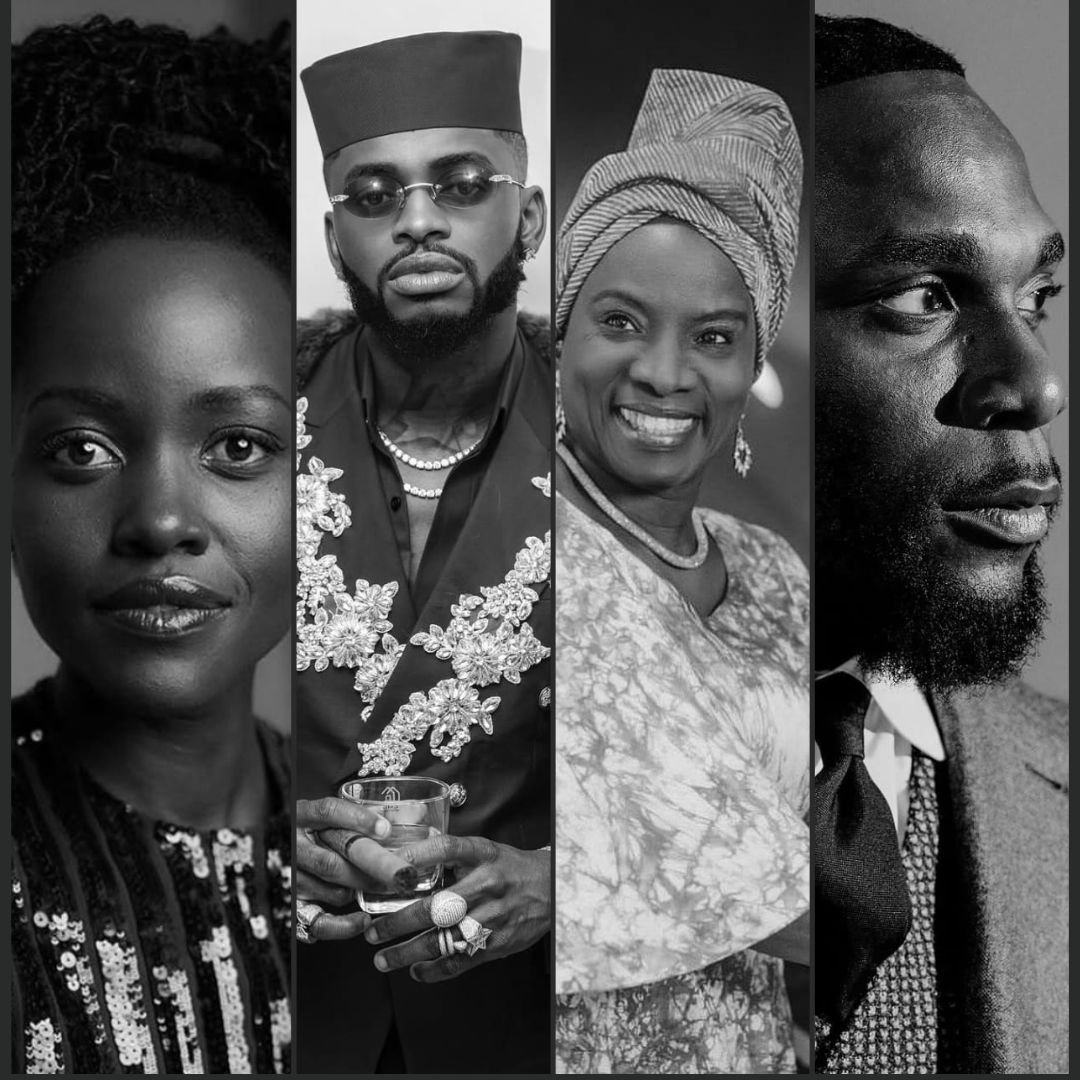
Africa’s Creative Rise: Owning Our Story Through Music, Film, Fashion & Art
Owning Our Story Through Music, Film, Fashion & Art. African music has taken the world by storm. Artists like Burna Boy, Master KG, Aya Nakamura, Diamond Platnumz, Sauti Sol, Amadou & Mariam, and Angelique Kidjo are not just entertainers; they are cultural ambassadors. Afrobeat, Amapiano, Bongo Flava, and other genres now dominate global charts, festivals, and award shows. African cinema is also making waves. Nollywood continues to inspire with talents like Genevieve Nnaji and Ramsey Nouah, while South African filmmakers like Tsotsi director Gavin Hood and Kenya’s Wanuri Kahiu are telling bold, authentic stories. Across the continent, films from Senegal, Ghana, Egypt, and Ethiopia are gaining international recognition, proving African storytelling is limitless. Visual artists like El Anatsui , Amoako Boafo, William Kentridge, Arinze and Yinka Shonibare are redefining contemporary art, while fashion designers like Laduma Ngxokolo, Ozwald Boateng, Lisa Folawiyo, and Mowalola Ogunlesi are putting African style on the global map. Yet, while the world consumes our creativity, much of the value leaves Africa. To truly strengthen these industries, we must: Centralize ownership of intellectual property: Build African-run platforms that manage music, films, art, and fashion rights, ensuring creators retain majority ownership. Invest in infrastructure: World-class recording studios, film hubs, galleries, and fashion incubators will let African talent compete globally. Professionalize the industries: Educate creators on copyright, contracts, branding, and international markets to protect and monetize their work. Collaborate continentally: Cross-border projects, festivals, and streaming platforms can elevate Africa as a unified creative powerhouse. Fashion: Elevating African Style African fashion is more than clothing, it is identity, heritage, and storytelling. Designers like Thebe Magugu (South Africa), Loza Maléombho (Ivory Coast), Kofi Ansah (Ghana), Maki Oh (Nigeria), and Lemlem (Ethiopia) are gaining global recognition. To truly brand Africa differently: Support local designers globally: Connect them with international buyers while keeping profits within Africa. Celebrate African narratives: Fashion shows, campaigns, and exhibitions should tell authentic African stories. Invest in production and logistics: Strengthen supply chains to produce world-class garments locally. Link fashion and entertainment: African artists wearing African designers on global stages amplifies our culture. Owning the Narrative Africa’s leading talents are reshaping global perceptions. Angelique Kidjo sings of African pride, Chimamanda Ngozi Adichie tells stories that confront stereotypes, Wizkid and Master KG export our music globally, and Lupita Nyong’o represents African artistry on international screens. But to own our story, we must go beyond individual success: Collective ownership: Form creative cooperatives and investment funds to support homegrown talent. Global partnerships with African leadership: Collaborate internationally but maintain African creative direction and decision-making. Storytelling from Africa’s lens: Whether music videos, films, or fashion campaigns, narratives should originate from African creators, reflecting our experiences and ambitions. The Path Forward Africa has the talent, culture, and imagination. What remains is structure, collaboration, and intentionality to convert this into sustainable industries that define our global image. By empowering creators, owning intellectual property, and promoting African stories authentically, we can ensure the world doesn’t just consume Africa, it experiences Africa on our terms. When we brand Africa not as a land of potential but as a land of realized brilliance, we redefine what it means to be African, inspire the next generation, and claim our place at the center of the global creative economy. Previous PostNext Post

Africa’s Untapped Power: How Creative Minds and Private Enterprise Can Build the Continent
Africa’s Untapped Power: How Creative Minds and Private Enterprise Can Build the Continent If you pay attention to Africa long enough, one thing becomes clear: the continent is not short of resources, talent, or ideas. What it has lacked until now is deliberate coordination among its creative and entrepreneurial minds. In cities like Lagos, long before the day officially begins, people are already working. Not waiting. Building. Entrepreneurs sit in small offices and shared spaces, asking practical questions: how do we turn cassava, rice, and yams into industries, not just crops? The land is generous, but land alone does not create wealth. Vision does. Processing plants, cold storage, and branding is where private enterprise turns abundance into value. Now stretch that thinking beyond one country. Imagine Nigerian agripreneurs linking directly with Ghanaian food processors. Not competing. Collaborating. Shared supply chains. Shared standards. Shared brands that retain value on the continent instead of exporting it raw. Capital flows not only from governments, but from private investors who understand scale, efficiency, and sustainability. This is how agriculture stops being survival and becomes industry. The same logic applies beneath the soil. Across the DRC, Botswana, South Africa, and Mozambique, private-led initiatives are quietly redefining how Africa relates to its resources. Cobalt refined locally feeds battery plants on the continent. Diamonds are not just mined but cut, designed, and marketed where they are found. Gas powers regional industrial hubs instead of being shipped away unfinished. When private enterprises take the lead, value stays, jobs multiply, and industries mature. Technology and local refining turn extraction into endurance. Look at technology, and the pattern repeats. Fintech in Lagos did not succeed because it copied foreign banking systems. It succeeded because it solved African problems first. Nairobi’s platforms redefined payments and logistics because they understood movement and informality. Cape Town’s developers focus on industrial software. Kigali experiments with smart cities not because it is fashionable, but because it is necessary. When these creative minds connect across borders, supported by private investment in broadband, talent, and infrastructure, Africa stops importing solutions and starts exporting them. Trade and manufacturing are where this collaboration becomes unavoidable. Egyptian industrial zones produce at scale. Nigerian logistics firms reduce friction across West Africa. Kenyan ports connect inland markets. Moroccan shipping firms move African goods to global destinations. When private actors invest in warehouses, transport networks, and customs efficiency, Africa begins to behave like a single market, faster and more responsive than policy alone could ever achieve. Energy underpins all of this. Reliable power is no longer a government only responsibility. Private solar fields in Morocco, hydro projects in Ethiopia, and gas-powered mini-grids in Nigeria prove a simple truth: energy can be profitable and transformational at the same time. When power becomes stable, everything else accelerates, manufacturing, technology, healthcare, education, and innovation. The pattern is not complicated. Agriculture feeds industry. Energy powers innovation. Trade moves value efficiently. Technology multiplies effort. Resources anchor long-term growth. What changes everything is connection, private minds choosing collaboration over isolation. Nigeria’s agripreneurs strengthen Ghana’s processors. DRC’s industrial potential links with South Africa’s tech capacity. Kenya’s startups align with Rwanda’s urban innovation. Morocco’s energy firms power industries far beyond their borders. Each connection compounds the continent’s strength. Africa does not need permission to rise. The land is here. The talent is here. The ideas are already in motion. What is required now is clarity of vision, collaboration among serious thinkers, and private sector leadership willing to build before applause arrives. When entrepreneurs, investors, and innovators act deliberately together, Africa stops being described as “emerging.” It becomes productive. Competitive. Original. This is the Africa private enterprise can build not someday, not theoretically, but now. A continent shaped by creative minds who understand that waiting for change is unnecessary when you are capable of creating it. Next Post