African music has taken the world by storm. Artists like Burna Boy, Master KG, Aya Nakamura, Diamond Platnumz, Sauti Sol, Amadou & Mariam, and Angelique Kidjo are not just entertainers; they are cultural ambassadors. Afrobeat, Amapiano, Bongo Flava, and other genres now dominate global charts, festivals, and award shows.

African cinema is also making waves. Nollywood continues to inspire with talents like Genevieve Nnaji and Ramsey Nouah, while South African filmmakers like Tsotsi director Gavin Hood and Kenya’s Wanuri Kahiu are telling bold, authentic stories. Across the continent, films from Senegal, Ghana, Egypt, and Ethiopia are gaining international recognition, proving African storytelling is limitless.
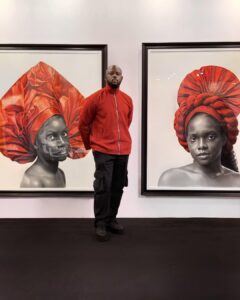
Visual artists like El Anatsui , Amoako Boafo, William Kentridge, Arinze and Yinka Shonibare are redefining contemporary art, while fashion designers like Laduma Ngxokolo, Ozwald Boateng, Lisa Folawiyo, and Mowalola Ogunlesi are putting African style on the global map.
Yet, while the world consumes our creativity, much of the value leaves Africa. To truly strengthen these industries, we must:
Fashion: Elevating African Style
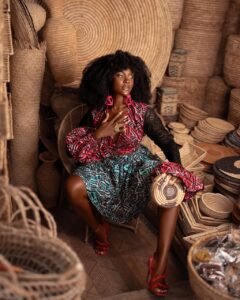
African fashion is more than clothing, it is identity, heritage, and storytelling. Designers like Thebe Magugu (South Africa), Loza Maléombho (Ivory Coast), Kofi Ansah (Ghana), Maki Oh (Nigeria), and Lemlem (Ethiopia) are gaining global recognition. To truly brand Africa differently:
Owning the Narrative
Africa’s leading talents are reshaping global perceptions. Angelique Kidjo sings of African pride, Chimamanda Ngozi Adichie tells stories that confront stereotypes, Wizkid and Master KG export our music globally, and Lupita Nyong’o represents African artistry on international screens. But to own our story, we must go beyond individual success:
Collective ownership: Form creative cooperatives and investment funds to support homegrown talent.
Global partnerships with African leadership: Collaborate internationally but maintain African creative direction and decision-making.
Storytelling from Africa’s lens: Whether music videos, films, or fashion campaigns, narratives should originate from African creators, reflecting our experiences and ambitions.
The Path Forward
Africa has the talent, culture, and imagination. What remains is structure, collaboration, and intentionality to convert this into sustainable industries that define our global image. By empowering creators, owning intellectual property, and promoting African stories authentically, we can ensure the world doesn’t just consume Africa, it experiences Africa on our terms.
When we brand Africa not as a land of potential but as a land of realized brilliance, we redefine what it means to be African, inspire the next generation, and claim our place at the center of the global creative economy.